BEYOND THE EYE CHART
Clear letters are only part of good vision.
20/20 describes how clearly you see detail at a distance. It does not tell us everything about focusing up close, eye coordination, or visual comfort. Understanding these factors helps us make recommendations that fit how you read, work, drive, and use your eyes each day.
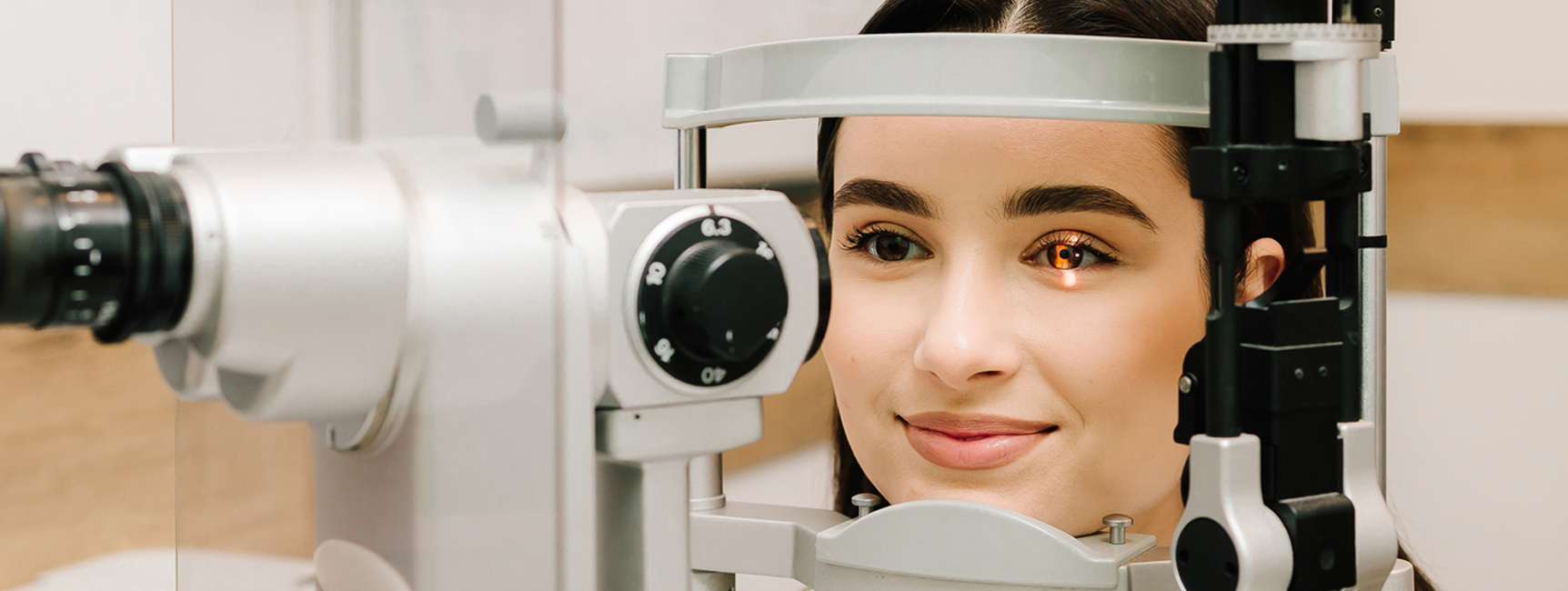
WHEN VISION STILL DOES NOT FEEL RIGHT
The details deserve a closer look.
Reading the chart well should not end the conversation when your eyes still feel strained or your vision is inconsistent. We look at the different factors that may be contributing.
Eyes working together
Eye coordination, also called binocular vision, helps both eyes aim at the same place and work as a team. Difficulties can contribute to strain or blurred or double vision during near tasks.
Focusing through the day
Reading, computer work, and looking into the distance place different demands on focusing. Tell us if your vision takes time to clear or becomes less comfortable with sustained close work.
Stable, comfortable vision
Your prescription, tear film, corneal shape, and lens fit can all affect your experience in contacts. We consider these together when troubleshooting blur, dryness, or difficulty wearing lenses.
OUR PROCESS
A closer look, step by step.
01
Hear what matters
We ask when symptoms occur, what makes them worse, and what previous prescriptions or contact lenses have failed to resolve. Your daily visual demands and health history help guide the exam.
02
Examine thoroughly
We assess your prescription and eye health, including the cornea, pressure, lens, optic nerve, and retina. Your symptoms guide additional testing of focusing and eye coordination, imaging, or dilation.
03
Make it useful
We connect the findings to your symptoms and discuss a practical next step, which may include a prescription change, contact lens refit, dry eye care, further testing, or referral.
ROUTINE AND CHALLENGING CASES
Vision care that fits the way you live.
A routine checkup and a persistent vision problem both deserve careful attention. We work to understand why a correction is or is not meeting your needs.
Comprehensive exams
A full look at prescription and eye health, with time to discuss what we find.
Contact lens problem solving
From standard soft lenses to difficult fits, we assess vision, lens movement, the tear film, and comfort. We can explore specialty lenses when standard options fall short.
Eyewear guidance
Lens and frame options chosen around your prescription, work, hobbies, and preferences.
Medical eye care
If an exam reveals a condition that needs attention, we explain the finding and arrange appropriate monitoring or treatment.
YOUR NEXT STEP
Leave with a clearer plan.
Tell us if your glasses or contacts have never felt quite right, even when you can read the chart. Bring your current correction and any previous records so we can understand what has been tried and discuss the next step.
Request an appointmentCOMMON QUESTIONS
Good questions deserve clear answers.
Can I have 20/20 vision and still have a vision problem?
Yes. The eye chart measures clarity at a test distance. You may still have difficulty focusing, using both eyes together, or maintaining comfortable vision. Tell us about symptoms even if you have previously been told your vision is 20/20.
Can you help if previous glasses or contacts have not worked well?
We welcome these challenging cases. Bring your current glasses, contact lens information, and any previous records. We review what has been tried, investigate possible causes, and explain whether a different correction, additional testing, specialty care, or referral is appropriate.
Is a contact lens exam part of a regular eye exam?
A contact lens evaluation adds assessment of lens fit, vision, comfort, and the health of the eye while wearing lenses. Our team can explain how to schedule both visits.
Should I come in if my prescription feels the same?
Yes. An eye exam also checks eye health and can reveal changes that are not obvious from day-to-day vision.
What if standard contacts are uncomfortable?
We can assess the tear film, lens material, and fit. If needed, we can discuss dry eye care or specialty lens options.
What should I bring to my eye exam?
Bring your current glasses, contact lens boxes or prescription if you have them, a medication list, and your insurance information. Tell us about any vision changes or concerns.
Can we discuss glasses and contacts at one visit?
Often, yes. Let our team know when scheduling so we can explain the visits and time needed for an eye exam and contact lens evaluation.
Contact Info
Office hours
- Monday 9:00 am - 5:00 pm
- Tuesday 9:00 am - 5:00 pm
- Wednesday 9:00 am - 5:00 pm
- Thursday 9:00 am - 1:30 pm
- Friday 8:30 am - 4:00 pm
- Saturday Closed
- Sunday Closed
Optical hours
- Monday 9:00 am - 5:00 pm
- Tuesday 9:00 am - 6:00 pm
- Wednesday 9:00 am - 5:00 pm
- Thursday 9:00 am - 2:00 pm
- Friday 8:30 am - 4:30 pm
- Saturday Closed
- Sunday Closed
© 2026 All EyeCare Optometry. All rights Reserved. Accessibility Statement - Privacy Policy - Sitemap
Powered by:
